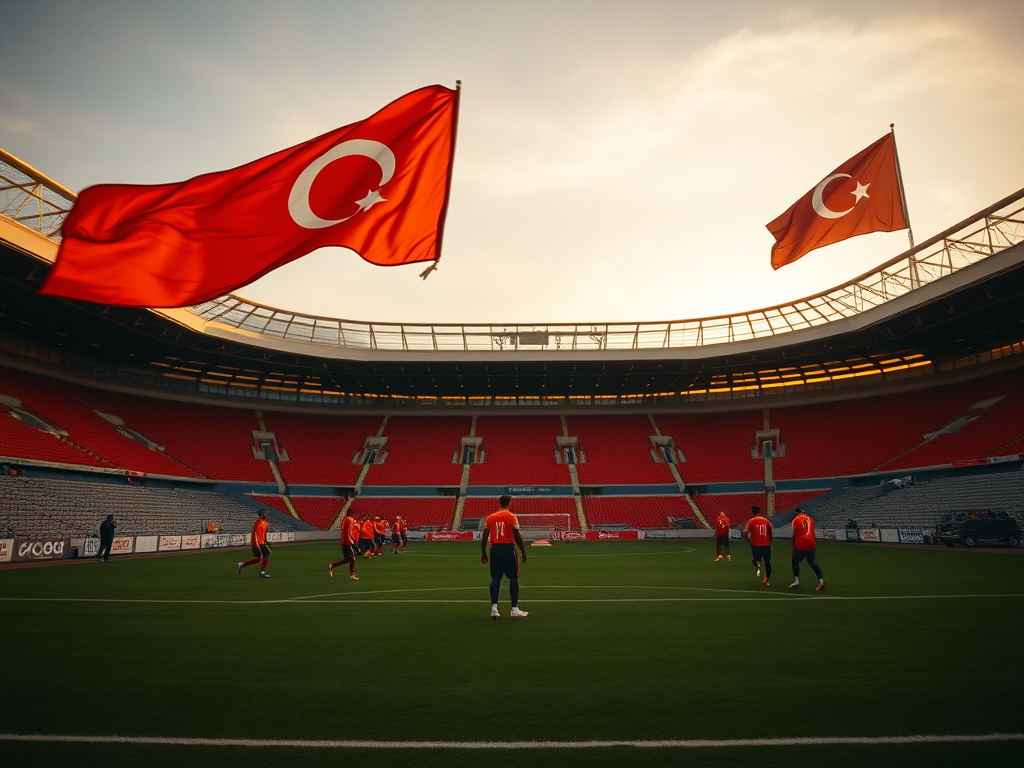
 Istanbul Başakşehir F.K.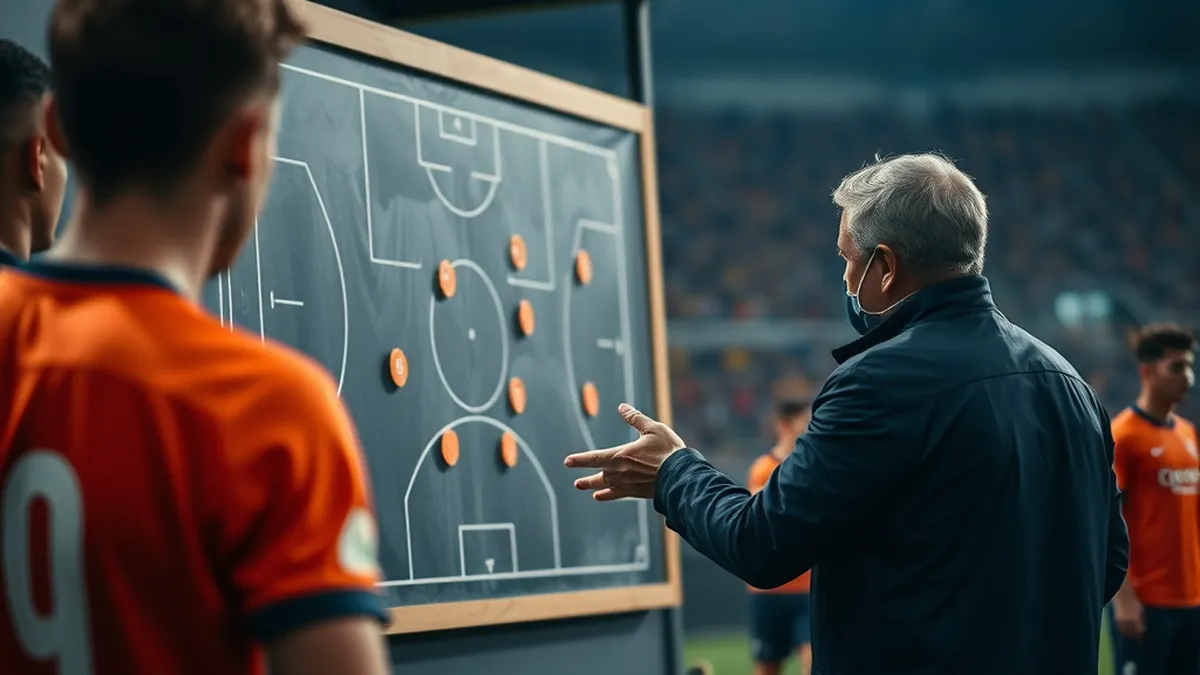
In recent weeks, Başakşehir has managed to attract attention with its performances in both the league and Europe, but the sustainability of this performance depends on some tactical changes. Nuri Şahin's team has adopted the 4-2-3-1 formation that was effective in previous seasons, but recently, opponents have been more successful in breaking through this structure, diminishing Başakşehir's offensive effectiveness.
Midfield Congestion
Başakşehir's midfield is increasingly under pressure from opposing teams. Especially, they struggle to advance the ball and increase the impact of creative playmakers. In this context, switching to a 4-3-3 formation could provide more control in midfield. This formation offers more passing options and creates space for wing players to be used more effectively.
Strengthening Wing Play
To ensure wing players engage more with the ball and break down the opposing defense, it is essential for the full-backs to push forward and utilize wide spaces. Particularly, contributions from the right-back and left-back in an offensive sense can strengthen Başakşehir's attacking line. This change diversifies the team's attacking organization and increases the potential to put opposing defenses in difficult situations.
Defensive Focus
Defensively, concentration lapses seen in recent matches led to significant mistakes. Therefore, defensive midfielders need to take on more responsibility and play a more active role in front of the defense line. Additionally, having a more coordinated defensive setup during set pieces can minimize the threats from opponents' dangerous attacks.
Conclusion
In conclusion, Istanbul Başakşehir F.K. needs tactical changes to maintain its current form and reach greater goals. By adopting a 4-3-3 formation, they can increase control in midfield and elevate the effectiveness of wing players. These adjustments could help the team gain a more competitive identity in both the league and Europe.